
Summer Solstice
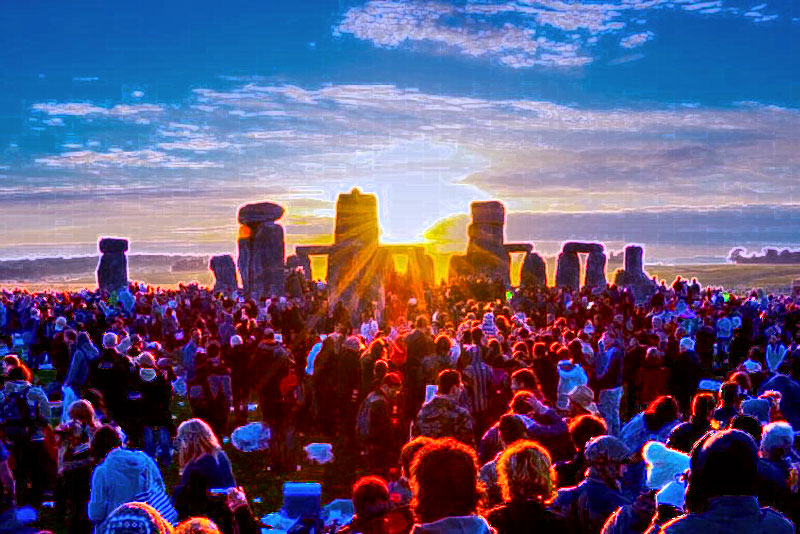
It is the longest day of the year today but in England every
Summer’s Day is long when it’s grey and wet! Today is the day the Romans called
Solstice from “The Sun stands still.” Off to join the Druids at Stonehenge and
Newgrange to get in touch with my inner Pagan for some Midsummer madness!
Record numbers of people descended on Stonehenge to mark the
summer solstice. Despite the sun not making an appearance in an overcast sky,
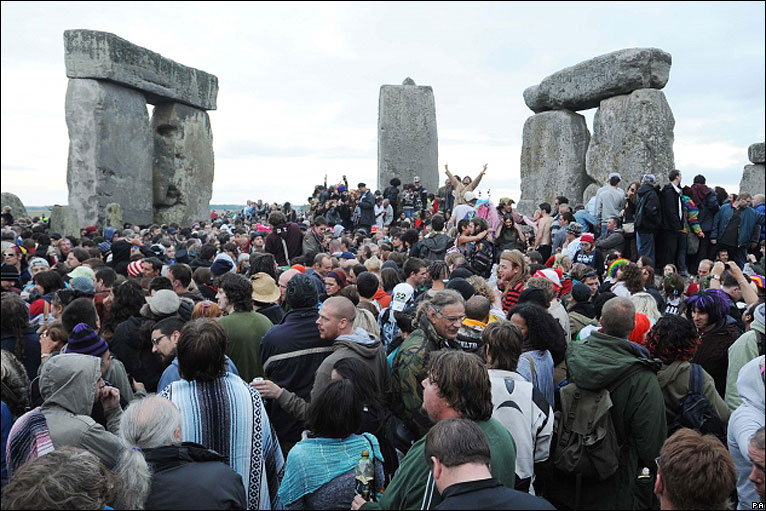
around 36,500 people enjoyed a carnival atmosphere at the ancient stone circle
on Salisbury Plain, Wiltshire. An eccentric mix of Morris dancers, pagans
dressed in their traditional robes and musicians playing guitars and drums
gathered alongside visitors from across the world. The event to mark the dawn
of the longest day in the Northern Hemisphere has grown in popularity since a
four-mile exclusion zone around the site was lifted nine years
ago.
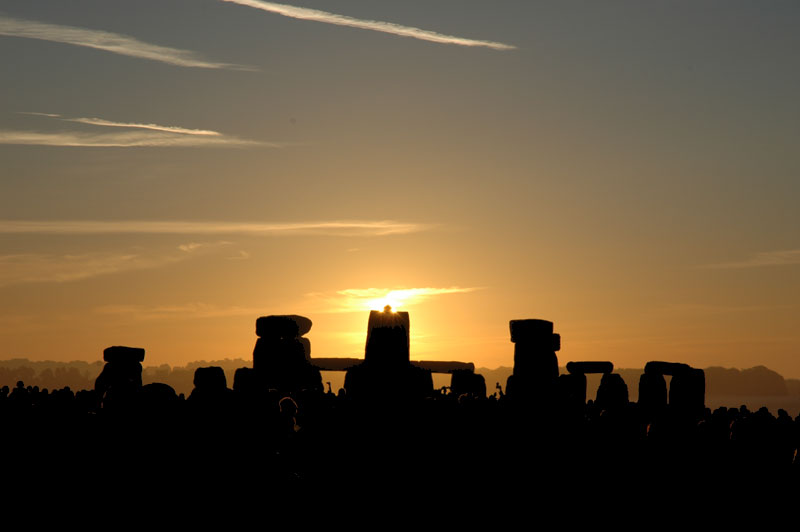 |
| Summer Solstice at Stonehenge – Solstice from the Latin for the sun standing still |
The event drew in the crowds from around 7pm last night. As
the sun rose at 4.58am a cheer went up from those gathered at the stone circle.
Bleary-eyed revellers wrapped in blankets, ponchos, cloaks and bin liners
gathered at Heel Stone, the pillar at the edge of the prehistoric monument, to
welcome the sunrise. English Heritage
and Wiltshire police had anticipated the biggest turnout yet and had drafted in
extra officers to patrol the site and to clamp down on anti-social behaviour
and drugs.
Restrictions were placed on the amount of alcohol people
could bring in, with security checks at the main entrance. Wiltshire police spokesman said: “We are
very pleased everything went to plan. The atmosphere has been very good,
especially around the stones. “Most
people have been very co-operative with us and very understanding of the
reasons for our presence.
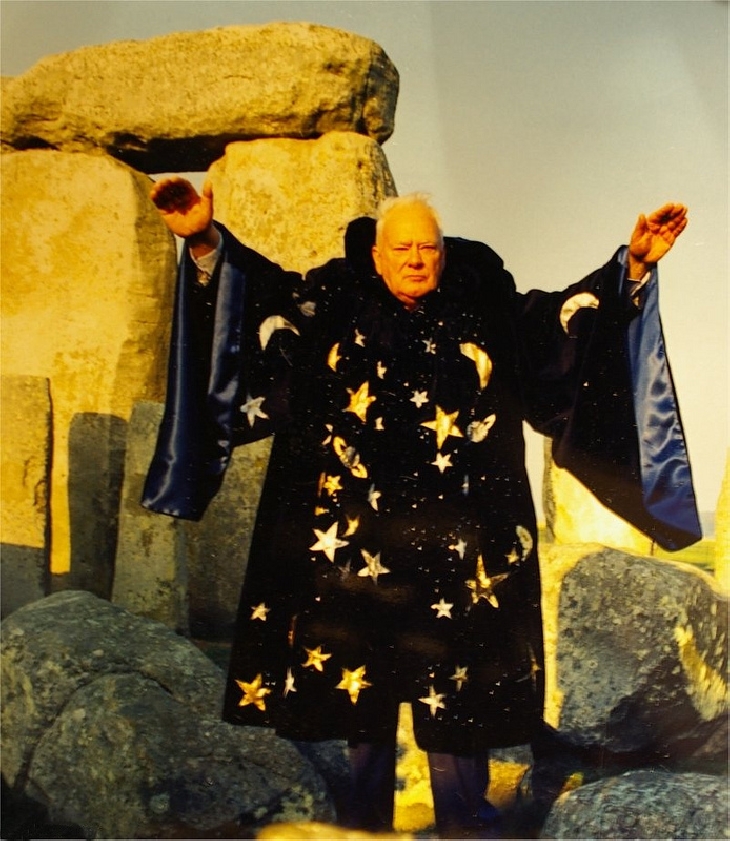 |
| Sir Patrick Moore couldn’t make it this year |
from Stonehenge at the Avebury stone circle. Druid Jim Saunders, 33, from
Reading, is a member of the Aes Dana Grove order. He said: “The significance of Stonehenge
on the solstice to me is to do my best to educate as many people as possible in
our culture. We carried out the Awen ritual in the circle by chanting to raise
the energy and ask for peace and healing.
There were 16 druids here today but only three of us made it into the
circle. It is nice to see a lot of people here because there is no better place
to learn about our culture and history. But it is upsetting to see so much
litter, and some people can be disrespectful.” He added: “Hopefully
from the people we have spoken to today we can plant a seed of knowledge that
will grow.”
dance,
Cleanse us
As nature shows bounty and
fertility
Bless us
Let all things live with loving
intent
And to fulfil their truest destiny “
Summer
still of the sun. It is the longest day of the year and the time when the sun
is at its maximum elevation. This date has had spiritual significance for
thousands of years as humans have been amazed by the great power of the sun.
The Celts celebrated with bonfires that would add to the sun’s energy,
Christians placed the feast of St John the Baptist towards the end of June and
it is also the festival of Li, the Chinese Goddess of light.
growth. This made sun deities very important to Egyptians, and it is no
coincidence that the sun came to be the ruler of all. In his myths, the sun was
either seen as the body or eye of Ra.
incredible strength of the sun and the divine powers that create life. For
Pagans this spoke in the Wheel of the Year is a significant point. The Goddess
took over the earth from the horned God at the beginning of spring and she is
now at the height of her power and fertility. For some Pagans the Summer
Solstice marks the marriage of the God and Goddess and see their union as the
force that creates the harvest’s fruits.
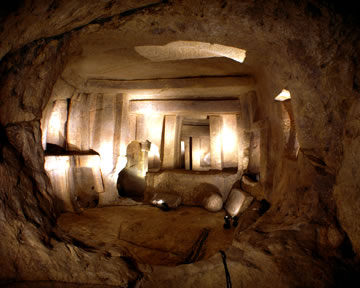 |
| Hypogeum, Malta |
This is a time to celebrate growth and life but for Pagans,
who see balance in the world and are deeply aware of the ongoing shifting of
the seasons it is also time to acknowledge that the sun will now begin to
decline once more towards winter. When celebrating midsummer Pagans draw on
diverse traditions. In England thousands of Pagans and non-Pagans go to places
of ancient religious sites such as Stonehenge and Avebury to see the sun rising
on the first morning of summer.
much earlier than thought, challenging the site’s conventional history. A new
excavation puts the stones’ arrival at 3000 BC – almost 500 years earlier than
originally thought – and suggests it was mainly a burial site. The latest
results are from a dig by the Stonehenge Riverside Project. It is in conflict
with recent research dating construction to 2300 BC and suggesting it was a
healing centre. The 2300 BC date was arrived at by carbon dating and was the
major finding from an excavation inside the henge by professors Tim Darvill and
Geoff Wainwright who said:
remains of the dead. There were cremation burials from inside the holes holding
the stones and also the areas around them.” The archaeologists suggest
that very early in Stonehenge’s history there were 56 Welsh bluestones standing
in a ring – 87m (285ft) across.
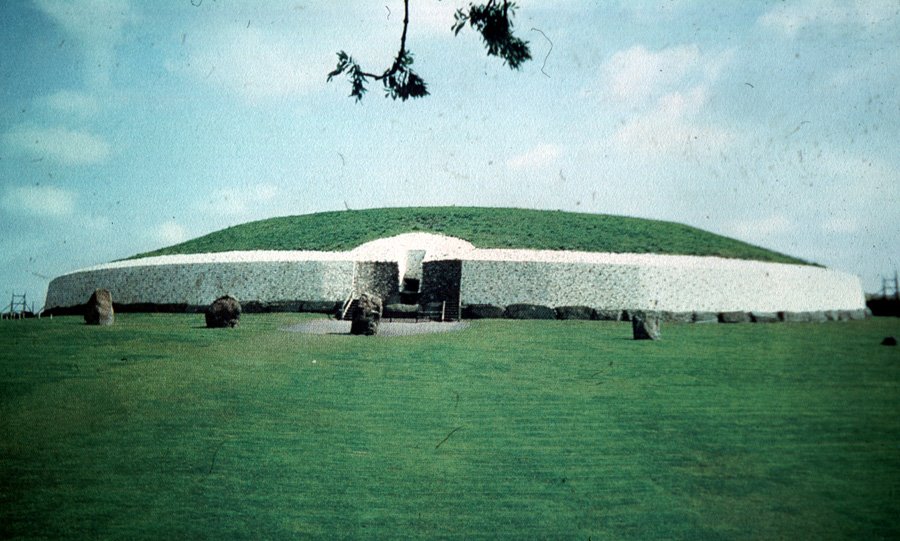 |
| Newgrange, Ireland |
and cultures behind such Neolithic remains such as the remarkable collection of
46 tumuli (passage graves) around Newgrange in Ireland and the oldest and
greatest Neolithic remains in Europe on the Island of Malta including at
Gigantija on the island of Gozo the world’s oldest stone building.
in Ireland it is the amazing place called Newgrange, a UNESCO World Heritage
site which is older than the pyramids of Egypt. This is a truly special and
unique place on the Island of Ireland, no more special than yesterday, 21st
December, the Winter Solstice, the shortest and darkest day of the year. To
ancient cultures this represented the turning of the year, the point after
which the days lengthened and hope could be sustained of the rebirth of the
land in spring and the fertility of summer and the bounty of the harvest to
come.
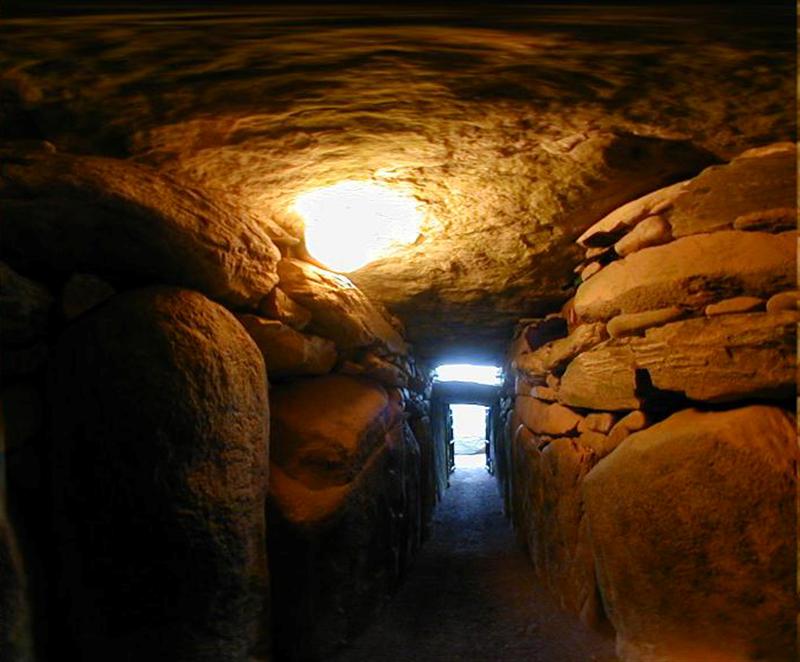 |
| The light of the Solstice entering the inner chamber Newgrange, Ireland |
supplanted with Xmas.
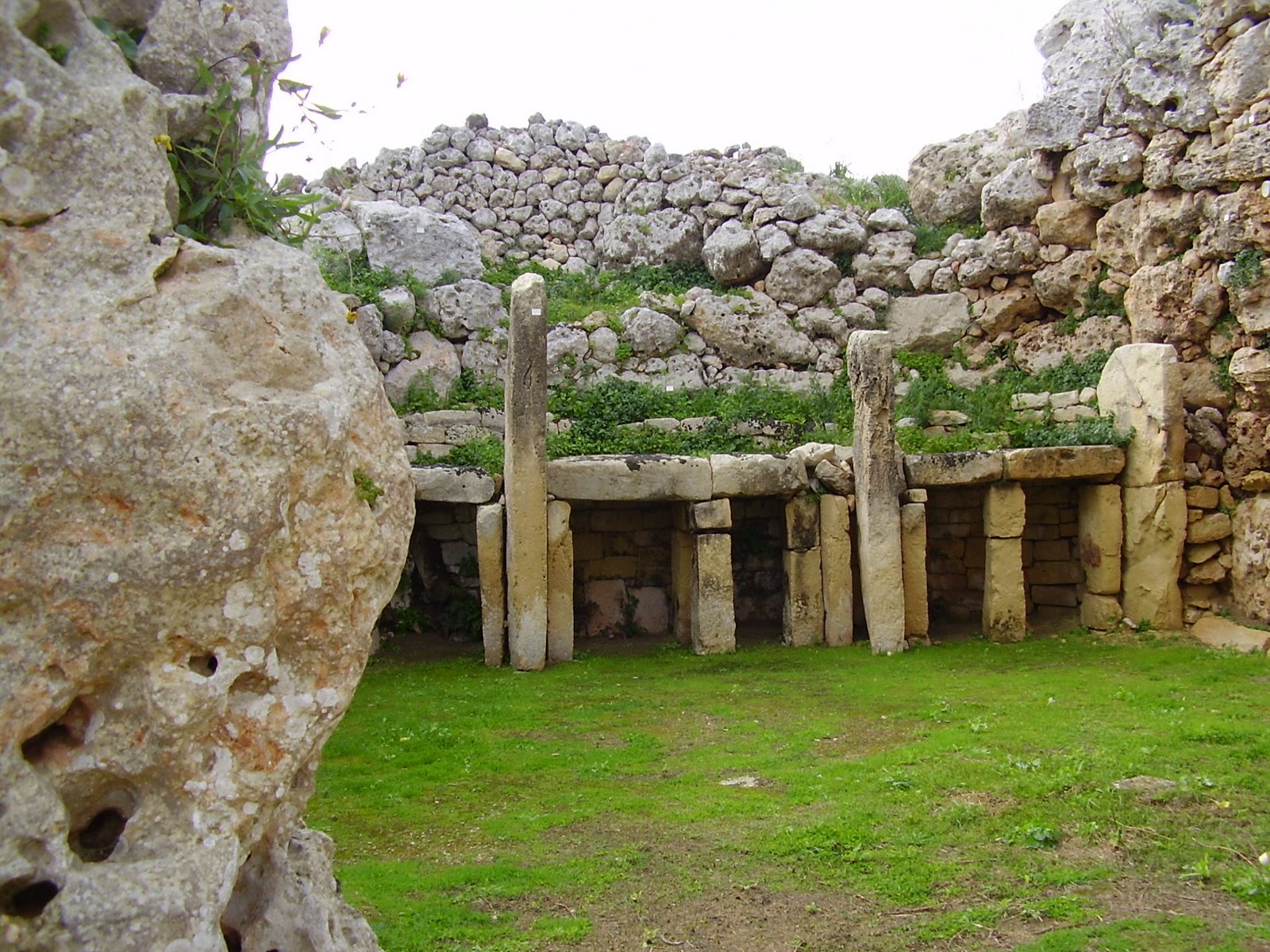 |
| Gigantija Temple, Malta |